
A School Shooting in the Occupied West Bank
With support flowing from synagogues across the US. Can anyone be bothered to care?
Note to readers: I’ve recently taken the plunge into full-time writing and reporting, leaving behind the work that’s paid my bills for the past fifteen years. It’s both exciting and unnerving—journalism isn’t exactly a gold mine these days, and every bit of my reporting is self-funded. I travel with no crew, no security team—just me. But, at the risk of sounding sentimental, I’ve never felt more certain of my purpose.
Infinite Jaz exists because I believe reporting on Israel-Palestine, and the systems of power that shape it, should not be filtered through the priorities of billionaires and politically biased, risk-averse institutions.
But it cannot continue without your support. If my work has mattered to you, please consider becoming a paid subscriber—you’ll gain access to the full archive of subscriber-only reporting and help cover my upcoming reporting trips to the West Bank.
For a limited time, I’m offering 20% off for an annual commitment—just over $5 per month:
Last Tuesday, just after noon, a Jewish settler took up position on a hillside overlooking the Al-Mughayyir Boys’ Secondary School in the central occupied West Bank, searched for a clear line of sight, crouched, aimed his assault rifle at a group of children, and opened fire. In footage from the scene, children can be heard screaming as the shooter pauses, advances several steps down the hill, scans the area, and resumes firing. At one point, he drops to a knee, steadies his aim, and fires more.
As Zeteo reported, inside the school, “students were throwing themselves behind desks, pressing against walls, or freezing where they stood. Teachers moved fast, locking doors, pulling children away from windows, turning classrooms into holding rooms where the only lesson was staying still and quiet.”
Minutes earlier, the shooter and his armed companions—a mix of settlers and Israeli soldiers—had been spotted by teachers, who made split-second decisions to attempt to hide or evacuate the children. Fourteen-year-old Aws Hamdi Al-Nassan was part of the latter group. He was shot in the back of the head. By the time teachers ran through a hail of gunfire and reached him, he was dead. (Seven years earlier, Aws’s father was killed by settlers, too, shot in the back.)
As word spread through the small village, parents rushed to the school to retrieve their children, and neighbors ran toward the scene to help. One of them, 32-year-old Jihad Abu Naim—the younger brother of an English teacher at the school—was shot in the chest. He bled out on the school grounds, leaving behind a wife who was eight months pregnant with their first child. Four others were wounded by gunfire as well, including two more kids.1
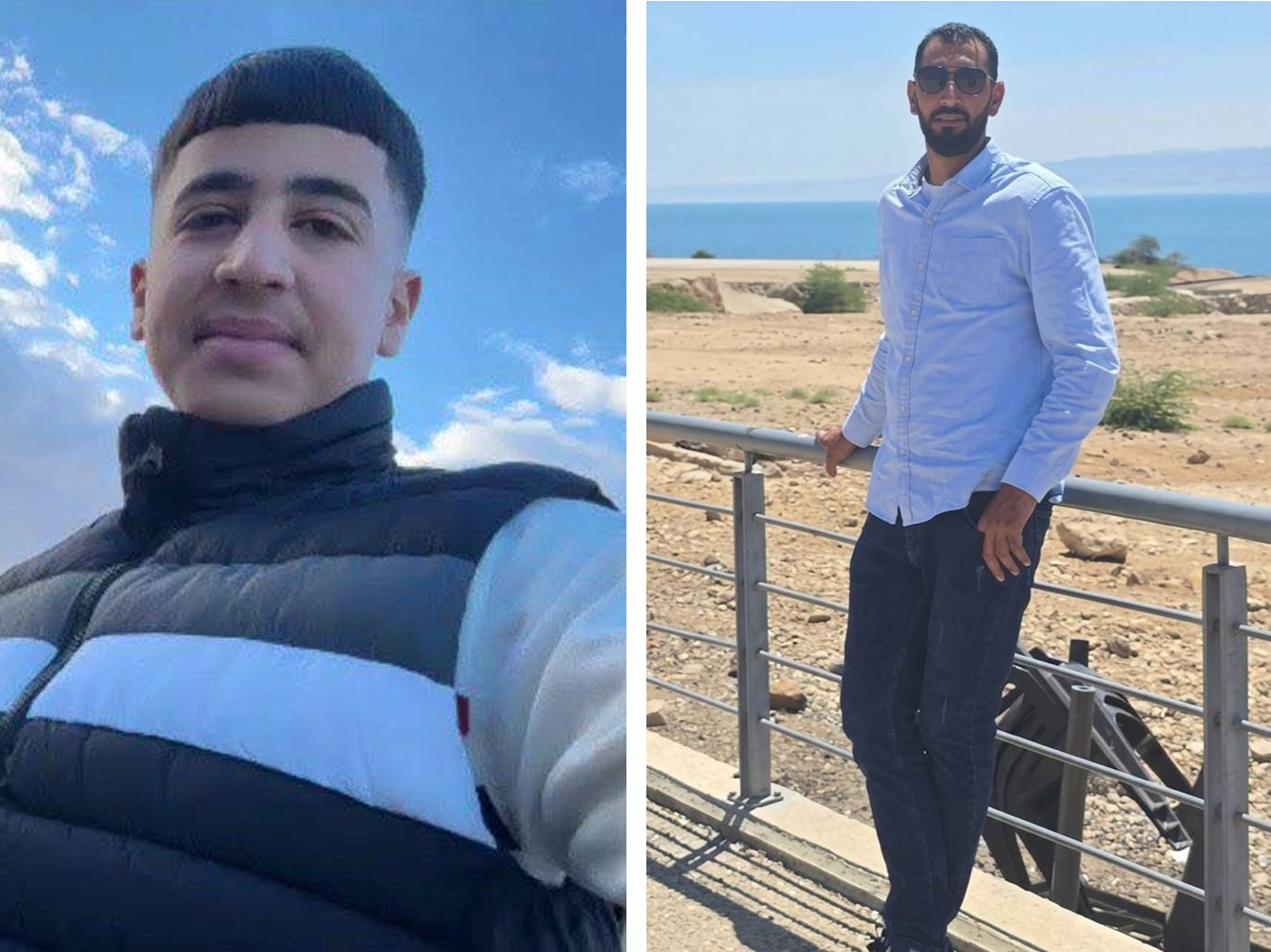
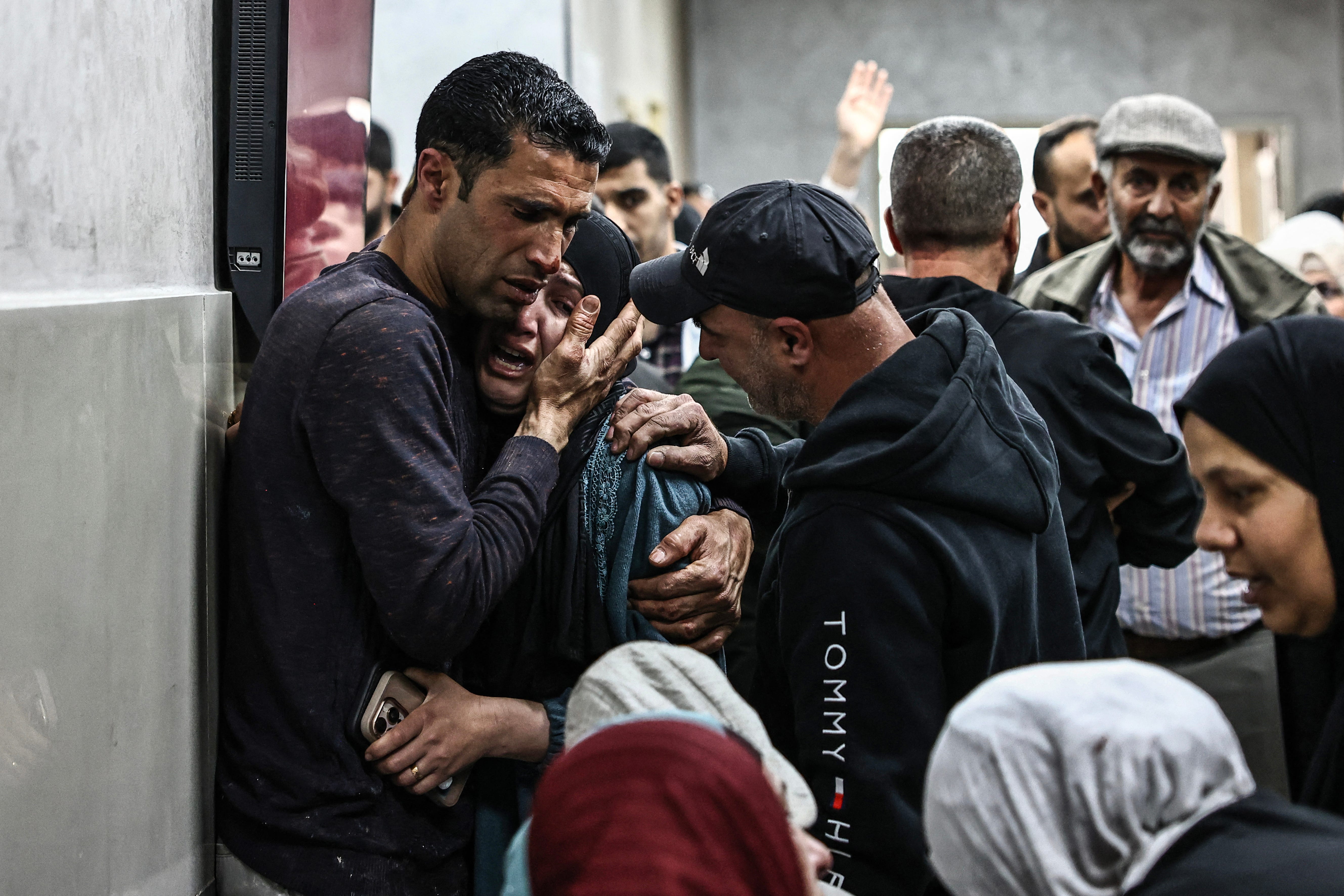
Here in America, and in most places in the world, we have a straightforward label for incidents like this: school shooting. Every visceral detail—from the cold, composed gunman hunting children like prey, to students hiding under desks, to adults killed while trying to shield the youth from bullets—feels grimly familiar.
But there are key differences. When there’s a school shooting here in the States, invariably, one of only three things happens to the shooter: they are killed by police, they take their own life at the scene, or they are arrested and spend the rest of their life in prison. Escape is completely unheard of. Last December, when it briefly appeared that a shooter had gotten away after killing two at Brown University, a massive manhunt kicked into gear, ending days later when his body was found in a storage container, dead from a self-inflicted gunshot wound. (During the search, a defamatory conspiracy theory spread online, falsely accusing a Palestinian student who had nothing to do with it.)
This is not to suggest that the Al-Mughayyir school shooter escaped, per se. That would imply there was someone chasing him. Instead, soldiers stood by as the rampage unfolded over approximately twenty minutes. That inaction wasn’t a case of fear or paralysis, the kind sometimes cited after school security forces fail to confront active shooters. The gunman was an IDF reservist himself, moving through the village alongside other soldiers who allowed him to hunt undisturbed.
In America, the names of towns where school shootings take place become shorthand for the horror—Columbine, Sandy Hook, Parkland, Uvalde—etched into the national consciousness. But how many people outside the West Bank have even heard of Al-Mughayyir, let alone know that a school there was shot up last Tuesday?
In the U.S., politicians descend on these towns to mourn with families and perform solidarity. In Al-Mughayyir, the Israeli military marked the tragedy by raiding the village, firing tear gas and stun grenades as the locals buried their dead.
And what about the motive? In America, police look for manifestos, and online sleuths pore over social media histories to search for clues. In the West Bank, there’s no need to even speculate. The settler who shot up a school in the West Bank did so as part of a racist, nationalist campaign of terror, determined to chase Palestinians off their own land. Duh!
This is a tired game, I know, but it’s worth running back from time to time: What would happen if this occurred the other way around? If Palestinian militants from the West Bank broke into Israel or a Jewish settlement and shot up a school, killing a child and an adult and wounding four others? Is there any doubt that this would be breaking news in every major outlet of the Western world? No, there is no doubt—it would be an enormous story, as it should be! We should never become numb to children being gunned down. And yet, here we are. The powers-that-be in the “civilized” world have long since accepted that this is who Israel is.
The story barely registered. The Western outlets that did cover it framed it as another incident of “settler violence,” obfuscating the reality of what was an ideologically driven school shooting and an act of terror.
Nearly two weeks later, the gunman has not been arrested. The IDF’s explanation, provided to the New York Times and other outlets, is that “rocks [were] being thrown at an Israeli vehicle carrying several people, including a reserve soldier… [the reservist] exited the vehicle and opened fire at suspects in the area.” Putting aside the fact that this Israeli vehicle was driving through a Palestinian village where it had no business being, the account is still directly contradicted by video footage: the shooter was at least 200 meters from the road, calmly taking aim and opening fire at the school. But the Times has not bothered to follow up on the story with this minor detail.
This past Tuesday, a week after the shooting, the children of Al-Mughayyir were back in class—traumatized and utterly defenseless—while the man who fired an assault rifle into their school and killed one of their peers roams free, unburdened by any fear of consequences, welcome to return to the scene of his crime as murderous settlers so often do.
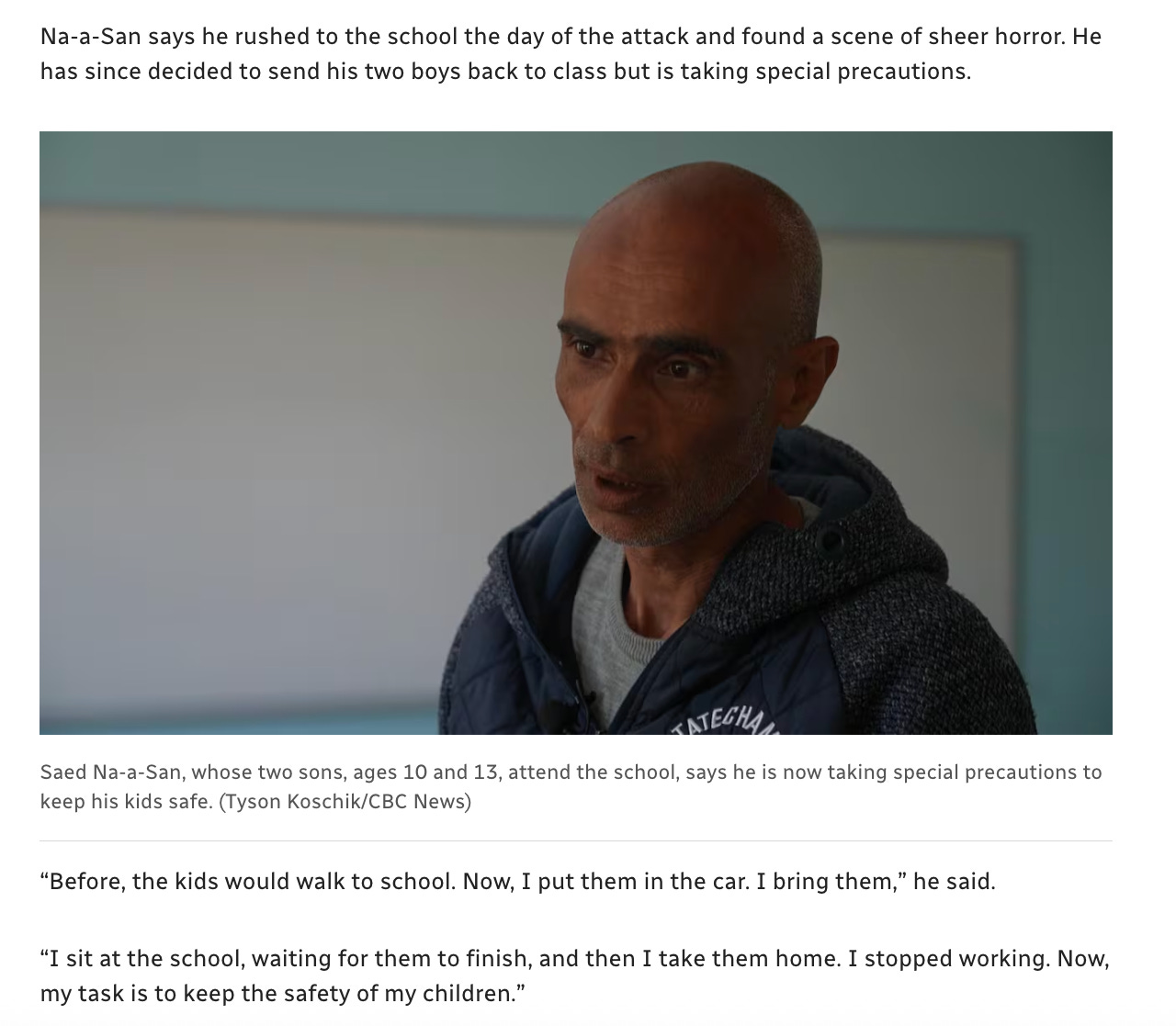
Two days after the shooting, IDF soldiers shot a 15-year-old Palestinian dead during a raid on Nablus. In a statement, the IDF said that “during operational activity by security forces in Nablus… a terrorist threw stones at the forces.”
Despite following the occupation closely for over a decade and reporting on it for more than two years, I’m still not used to the fact that the IDF’s media-approved language calls a fifteen-year-old with a rock a “terrorist” when he’s facing armored soldiers and tanks. I don’t know what I find more upsetting—the hubris required to believe this will be deemed acceptable by the civilized world, or the fact that they’re largely right.
Sorry, I must play this game one more time: What would the reaction be if Palestinian gunmen shot settler children dead every time they threw a stone? Let me tell you, that would be a lot of dead Jewish kids.
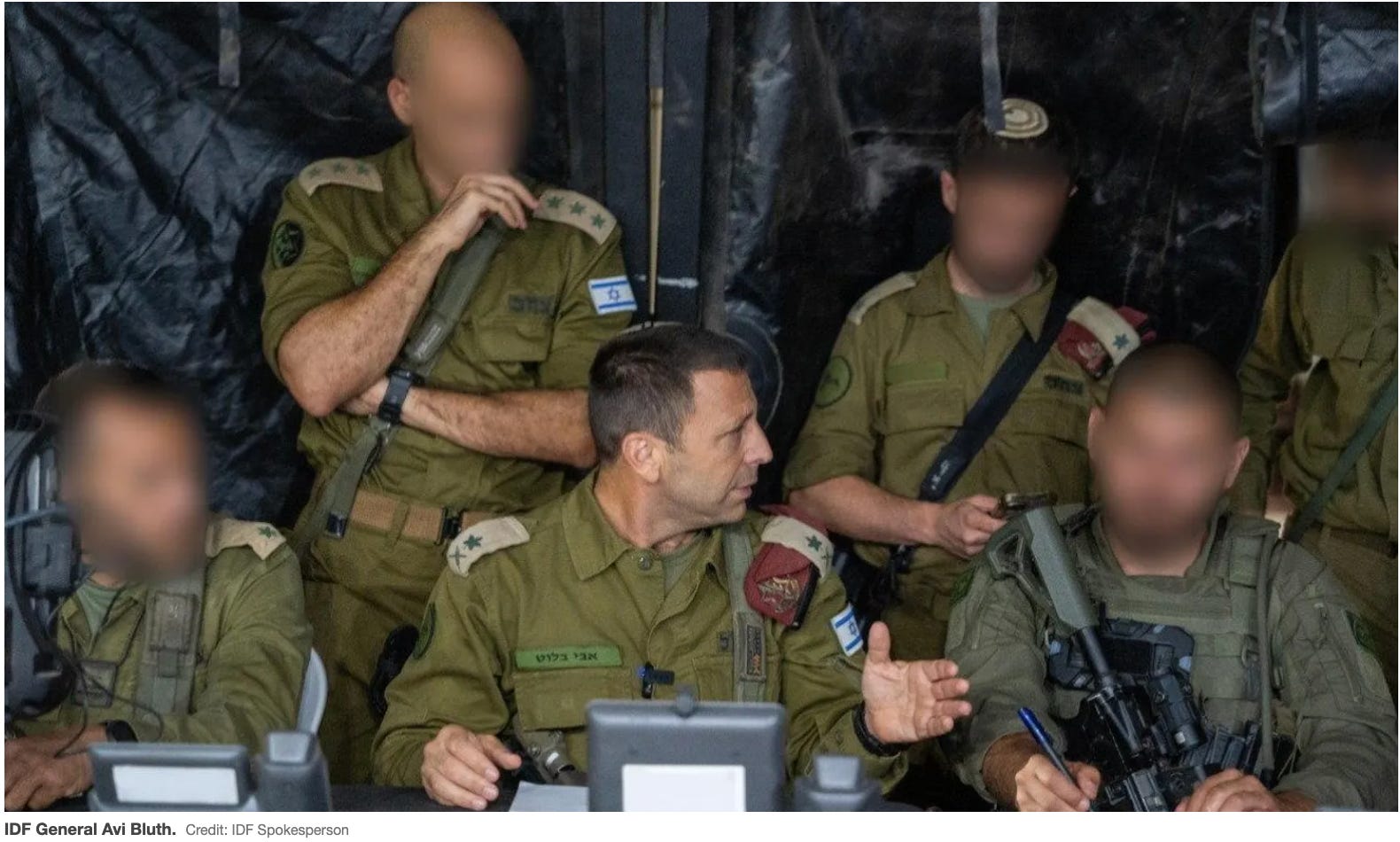
On Sunday, a new report revealed that IDF Central Command chief Maj. Gen. Avi Bluth, who oversees military operations in the West Bank, acknowledged in a closed forum that the military permits the use of live fire against Palestinian stone-throwers, but not Israeli ones. As the Times of Israel reports, “Bluth said he does not support opening fire on Israeli stone-throwers despite the similar danger they pose, acknowledging that ‘there is some discrimination’ in enforcement. He warned that such incidents carry broader societal implications, saying, ‘I’m not sure that opening fire on every Israeli stone-thrower… would help; I think it would do the exact opposite.’”
The “societal implications” of shooting Palestinians is more useful, in his mind—he referred to maimed Palestinians as “limping monuments,” an effective form of deterrence.
Alongside these admissions—and the routine labeling of Palestinian stone-throwers as “terrorists”—it’s worth remembering that the Israelis have always had an “expansive” definition of terrorism, to put it mildly. Bluth acknowledged that the IDF in the West Bank is “killing as we have not killed since 1967,” while warning that rising settler violence could spark a Palestinian uprising, advising “Prime Minister Benjamin Netanyahu and his cabinet that, although overall Palestinian terror levels are low, tensions are building beneath the surface… point[ing] to a direct link between settler attacks and Palestinian violence.”
In other words, a Palestinian uprising in response to Israeli violence would be deemed terrorism.
Ex-Mossad chief Tamir Pardo added to the definition this week while touring Palestinian villages in the West Bank and discussing settler violence:
“My mother is a Holocaust survivor,” Pardo said. “What I saw here today reminded me of events that happened in the last century in a very developed country – the same phenomena directed there against Jews. And I feel ashamed to be a Jew here today.”
The authorities, he added, “know what is happening here and choose to ignore it.” By doing so – and by supporting the violent settlers both politically and financially – he declared that the Israeli government “is planting the seeds for the next October 7.”
The October 7 Hamas attack, he acknowledges, was a direct response to Israeli brutality, akin to Jews fighting back against their Nazi jailers during the Third Reich. (His comparison, not mine—and one that would be classified as antisemitism according to the IHRA definition.)
Still, I have no doubt that even Tamir Pardo, this enlightened Israeli, would call October 7 an act of terror. It is simply taken as fact by the Israeli state, even the “liberals,” that whatever is done to Palestinians—schools shot up, livestock stolen, homes demolished, families driven off their land—any violent response, even throwing a rock, is labeled terrorism ipso facto, punishable by death.
The Guardian reported that,
A few hours after Aws was killed outside his school, settlers attacked and demolished a British- and European-funded school for Palestinian children in a village 25 miles to the north.
In Hammamat al-Maleh, in the northern Jordan valley, settlers used bulldozers to raze four classrooms, school toilets and the two playground areas into a heap of twisted metal and crumpled plastic, scattered with ruined books…
In the south Hebron Hills, on 13 April Israeli settlers put razor-wire across the road to the school attended by Palestinian children from Umm al-Khair village, blocking students from crossing since then.
Here’s another school in the occupied West Bank—this one featured in a Facebook video posted last week by a well-known Jewish settler:
What you’re looking at, to be clear, is a terrorist training camp for Jewish children and young men. The irony is rich, given that Israel has accused the Palestinian Authority for years of teaching terrorism and hate in its schools, demanding reform.
If you’ve witnessed a coordinated attack by settlers in the West Bank, the existence of these camps should come as no surprise. Does this look like someone who picked up a stick on a whim in Turmus’ayya?
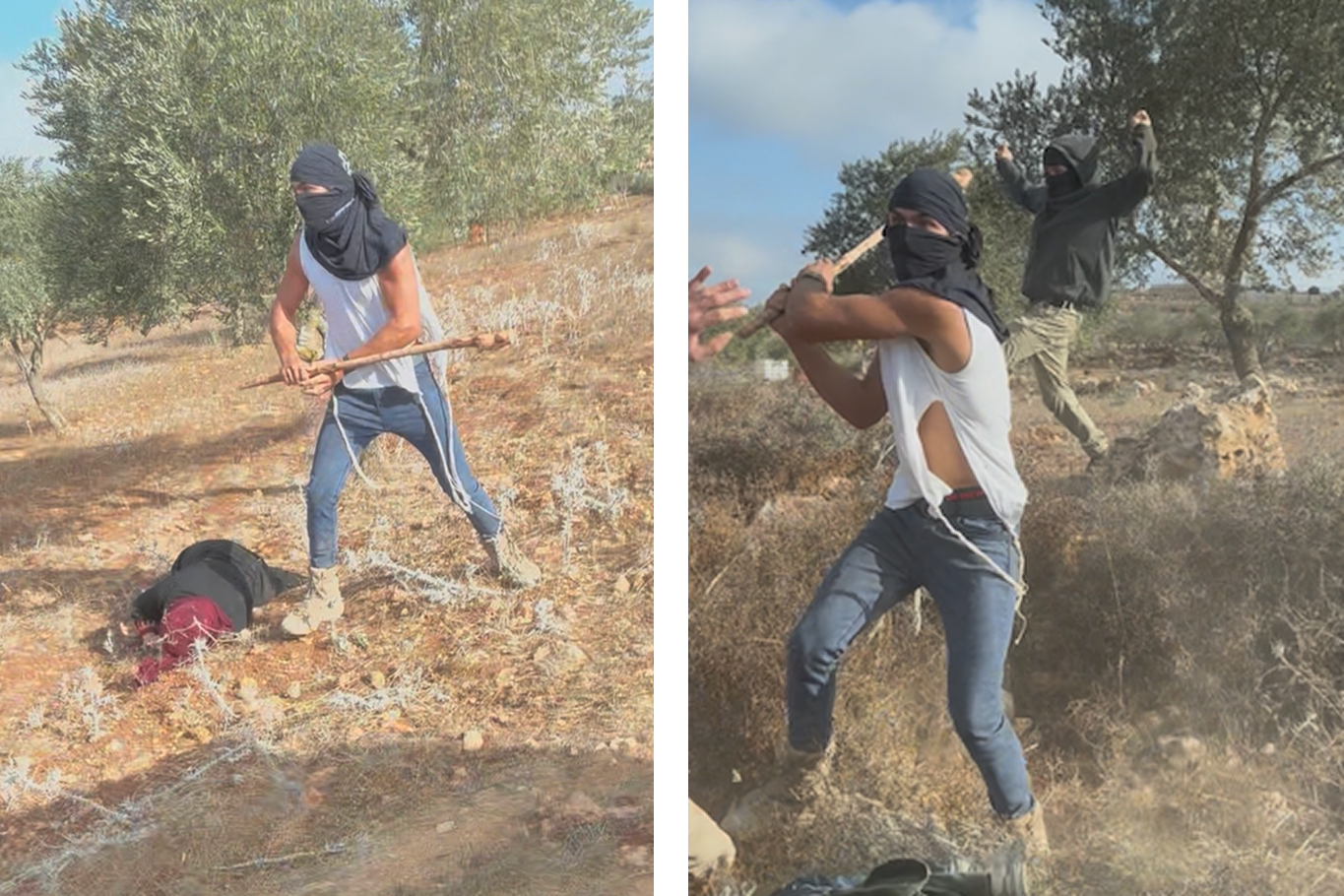
Of course not. This is a trained militant.
For years, the Israeli press has been reporting on these training camps—and on settler outposts that groom troubled Israeli youth into child soldiers. Here is Haaretz last year:
Even more worrying, there is active recruitment of youth-at-risk to join the ranks in the hilltops, with West Bank farms officially recognized by welfare services as foster institutions.
The very communities and families charged with protecting their safety are instead enlisting them into vigilante combat.
The long chain of neglect reaches deep into the religious Zionist community…
If you’re wondering how deep support for these Jewish terror schools goes, it reaches directly into countless synagogues in America. Last week, the Jewish National Fund, which fundraises within synagogues all across the U.S., announced it would cut “funding of programs in settler outpost farms in the West Bank… Regretfully, under the guise of education, it turned out we were supporting activities aimed at bringing youth at risk to the settlements to help dispossess Palestinians from their land,” JNF’s chairman said.
The JNF funds were handed over to several groups which, under the guise of educational and vocational activities, recruited school dropouts to these outposts. Although participants were meant to return to their homes after completing their training programs, many stayed on and became involved in activities targeting Palestinians. As a result, the JNF, through its program, inadvertently helped transform many at-risk youth into "hilltop youth" – a phrase often used to describe the young extremist settlers who launch violent attacks against Palestinians from illegal outposts in the West Bank.
For what it’s worth, I don’t believe for a second that this was “inadvertent”: as I’ve written many times before, settler violence is the vanguard of the entire settlement project. How else do they think more land keeps magically opening up to be settled?
But even if you take the JNF at its word that this was all an accident, you’re still left with the plain fact that synagogues across the U.S. have been raising money for programs that transform young, troubled Jews into terrorists.
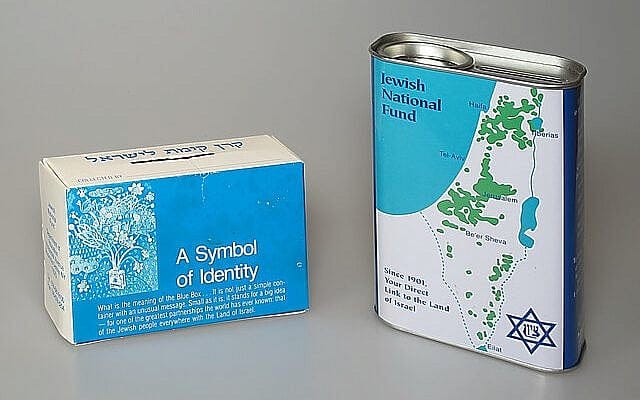
Outside those same synagogues, protesters are smeared as terror supporters—while inside, literal material support for terror is provided without consequence. Will this inconvenient fact be mentioned the next time a protest outside a synagogue settlement fair shocks the nation? (Not for nothing, it’s the exact accusation hurled at countless mosques after 9/11.)
I’ve long said that “redeeming” Judaism, whatever that means, is not a priority as long as the genocide of Palestinians goes on. But it’s worth pointing out, from time to time, that we, as Jews, are in quite a bit of trouble ourselves if our institutions continue aligning themselves so directly—and materially—with Israeli terror.
Until that changes, we’re on the side of the school shooters.
If you found this piece of journalism valuable, consider upgrading to a paid subscription so I can keep doing this work.
The Guardian writes: “Aws was only in third grade at the time [his father was killed], and his teachers devoted extra attention to the young boy in the years that followed. ‘We tried to make Aws feel safe, and ensure he had some rules in his life, to protect him from the impact of losing his father,’ said Waheed Abu Naim, [the English teacher whose brother was shot dead]. ‘Then we lost him.’”
I think I keep up with what is going on in the West Bank, but even I didn't know this school shooting and the details till your report. In all the daily atrocities and injustices committed, along with the deliberate obfuscating by establishment media here, an actual school shooting and is victims are pushed to be hidden.
“I insist on being shocked. I am never going to become immune. I think that’s a kind of failure to see so much of it that you die inside. I want to be surprised and shocked every time.” - Toni Morrison